Photo Editing Service That Adds Value to Every Image
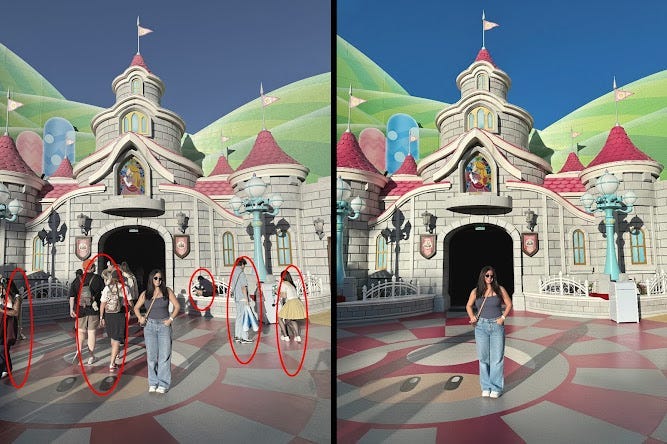
A blurry background. A mismatched color tone. A cluttered product shot with a distracting white crease. These aren’t small problems. In a world where people scroll fast and judge faster, a bad image costs you the sale before you ever get the chance to make your pitch.
That’s why a reliable photo editing service isn’t a luxury. It’s a business decision.
What Photo Editing Actually Does for Your Brand
Most people think of photo editing as fixing mistakes. Removing a blemish. Straightening a horizon. Brightening a dark shot taken indoors with bad lighting. And yes — it does all of that. But that’s the shallow end.
Real photo editing transforms how your audience sees you.
When your product images are sharp, clean, and consistent, people trust you more. They stay on your page longer. They click “Add to Cart” instead of bouncing. This isn’t theory — it’s buyer psychology, and it’s been studied to death. Visuals drive decisions. Your images either build confidence or kill it.
That’s the real value of editing. It’s not about perfection for perfection’s sake. It’s about making sure nothing gets in the way of the moment someone decides to buy from you.
The Problem With DIY Editing
Let’s be real. Editing your own photos sounds fine until you’re three hours deep into Photoshop, second-guessing every color correction, and still not sure if the skin tone looks right on a monitor that might not even be calibrated properly.
Most business owners and marketing teams don’t have the time for this. And even when they do, the results are inconsistent. One product image looks great. The next looks slightly different. Then the batch from last month looks nothing like the batch from this week. Inconsistency is its own kind of problem — it makes your catalog look unprofessional even when individual images look okay.
Outsourcing solves this. You send the raw files. You get back images that match a style guide, meet your specifications, and don’t require three rounds of revision before they’re usable.

Clipping Path: The Foundation of Clean Product Photography
If you’re in e-commerce, you’ve heard this term. If you haven’t, here’s the quick version: a clipping path is a precise outline drawn around a subject in a photo. It’s used to remove the background, isolate the product, or place the subject onto a different backdrop.
Sounds simple. It isn’t. A good clipping path follows every curve, every strand of hair, every edge of a complex object without leaving a halo of the old background. A bad one looks exactly like what it is — a rushed job with rough edges that make the product look cheap.
That’s why the best teams treat it as skilled work. An affordable clipping path service doesn’t mean a fast, sloppy one. It means a studio that’s efficient enough to keep costs reasonable while still doing the job right. Those teams exist. You just have to know where to look.
What to Actually Look for in an Editing Partner
Not all editing services are the same. Here’s what separates the good ones from the frustrating ones.
Turnaround time matters, but don’t sacrifice quality for speed. A 24-hour turnaround sounds great until you get back images that need to be redone. Ask about their quality control process, not just their timeline.
Revision policies tell you a lot. Services that cap you at one revision — or charge for every change — aren’t confident in their own work. A team that stands behind what they deliver will give you room to get it right.
Consistency across a batch is non-negotiable. If you’re sending 50 product images, they should all come back looking like they belong together. Same brightness, same color treatment, same style. If the first ten look different from the last ten, something’s wrong.
Communication shouldn’t be a hassle. You should be able to describe what you want and get it back without a long back-and-forth. Clear briefs help, but a good editing team asks the right questions upfront instead of assuming.
The Services Worth Knowing About
Most professional editing studios offer a core set of services. These aren’t extras — they’re what separates a polished final product from a raw file.
Background removal is the most requested. It’s foundational for product photography and catalog work. Done right, it makes your product the only thing in the frame.
Color correction fixes what cameras get wrong. Skin tones, product colors, white balance — cameras lie constantly, especially in mixed lighting. Correction makes the image match what you actually saw, or what you want the customer to see.
Retouching covers everything from wrinkle removal on textiles to blemish cleanup on portraits to removing unwanted reflections from product surfaces. It’s detailed work. It takes patience. And it makes a real difference.
Shadow creation and drop shadows give products weight and dimension. A product floating on a white background with no shadow looks flat. A subtle natural shadow grounds it. Customers notice this even when they don’t consciously know why.
Image masking handles what clipping paths can’t — fine hair, fur, transparent fabrics, complex textures. It’s more advanced, more time-consuming, and when it’s done well, it’s nearly invisible. That’s the point.

Why Businesses Keep Coming Back
The editing relationship that works best isn’t a one-time transaction. It’s a workflow. You shoot. They edit. You review. It cycles.
Studios that understand this build systems to support it. Consistent style profiles that carry across every batch. Fast communication. Predictable delivery. A team that already knows your preferences after the first few rounds.
Pro Photoshop Expert operates this way. The focus is on building a long-term editing workflow, not just delivering a one-off batch. That approach shows in the consistency of the output.
The Bottom Line
Your images carry weight. Every product shot, every portrait, every piece of catalog photography either works for you or against you. There’s no neutral.
Investing in a photo editing service isn’t a sign that your original images aren’t good enough. It’s a recognition that raw files are starting points, not finished products. The editing is where the image becomes what it needs to be.
Get that part right, and everything downstream — conversions, trust, brand perception — gets a little easier.


Comments
Post a Comment