The Future of Photoshop Service USA in the AI Era
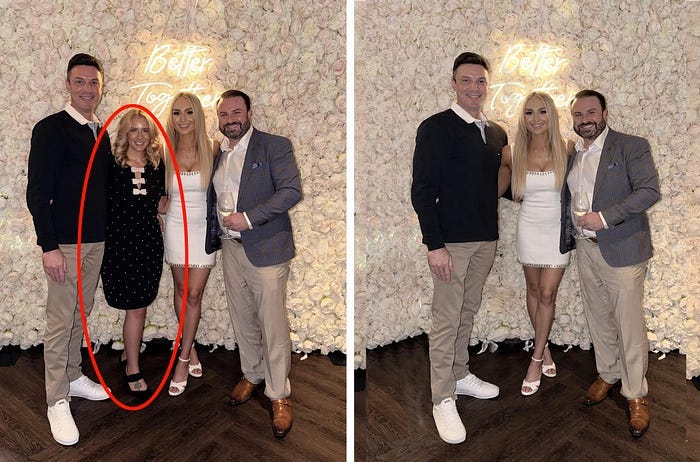
The world of digital imagery is moving faster than most of us can keep up with. If you look at how things were just two years ago, the change feels almost impossible. For professionals providing a Photoshop Service in the United States, the rise of artificial intelligence has created a mix of genuine excitement and a bit of underlying anxiety. It is not just about clicking buttons anymore. We are seeing a complete shift in how pixels are manipulated and how beauty is defined in a digital space. Many people thought AI would simply kill the industry overnight, but that hasn’t happened. Instead, the tools have become more powerful, and the human eye has become even more valuable than it was before.
There’s a specific kind of magic that happens when a skilled editor sits down to work on a complex project. While an algorithm can guess what a background should look like, it often misses the soul of the image. It doesn’t understand the “why” behind a specific shadow or the emotional weight of a certain color grade. That is why the demand for a high-quality photo editing service remains so strong even now. Clients in the USA want efficiency, sure, but they also want that human touch that ensures their brand doesn’t look like a generic, computer-generated mess. We’re entering an era where the best editors are the ones who know how to dance with the AI rather than fight against it.

“The Best Photoshop Service”
The landscape of professional retouching is definitely evolving toward a hybrid model. In the past, tasks like masking hair or removing complex objects took hours of tedious clicking. Now, those parts of the job happen in seconds. This speed allows a boutique Photoshop Service to focus on the creative direction instead of just the manual labor. It’s a bit like moving from being a construction worker to being the architect. You’re still building something, but you’re spending more time thinking about the final vision. The AI handles the heavy lifting, but the human makes the final call on whether it actually looks “right.”
We see this most clearly when it comes to commercial product photography. E-commerce businesses in the US are under massive pressure to list products quickly. They can’t wait weeks for a gallery to be finished. This is where photo color changing services come into play perfectly. Instead of shooting a shirt in fifteen different colors, you shoot it once and let a professional handle the rest. AI can do a rough version of this, but it often messes up the fabric texture or the way light hits a specific material. A human editor knows how light behaves on silk versus how it behaves on cotton. That’s a level of nuance that code hasn’t quite mastered yet.
People often ask if AI will eventually replace everyone. I don’t think so. It’s more likely that it will just raise the floor of what is considered “average” work. If anyone can use a prompt to fix a blemish, then “just fixing blemishes” is no longer a marketable skill. You have to offer more. You have to offer a style. You have to offer a guarantee of consistency that an unpredictable AI model can’t always provide. In the USA market, where branding is everything, consistency is the gold standard. If a company’s Instagram feed looks different every day because they’re using different AI filters, they lose their identity. Professional services provide that steady hand.
There is also the huge issue of ethics and “realness” in the AI era. We’re seeing a bit of a backlash against images that look too perfect or too “AI-ish.” Consumers are starting to crave authenticity again. They want to see skin that actually looks like skin, complete with pores and slight imperfections. A human editor knows how to clean up a photo without making the person look like a plastic doll. This balance is incredibly hard to strike. It requires a sense of empathy and an understanding of human beauty that isn’t just about math. The future belongs to those who use technology to enhance reality, not those who use it to replace it entirely.
The business side of things is changing too. Pricing models are shifting because the time spent on a project isn’t the same as it used to be. Instead of charging purely by the hour, many experts are charging for the value of the final result. If a client gets a perfect image in thirty minutes that used to take four hours, that image is still worth the same amount to their business. It’s a weird transition for both the service provider and the customer. But ultimately, it leads to a more efficient market. People get their assets faster, and editors get to skip the parts of the job that used to cause carpal tunnel.
I truly believe the future is bright for those willing to adapt. We shouldn’t be afraid of new tools. When Photoshop first came out, darkroom purists said it was the end of “real” photography. It wasn’t. It was just a new chapter. AI is the same thing. It’s just a very big, very fast chapter. If you stay curious and keep your standards high, there will always be a place for your craft. The tools change, but the need for great visuals never goes away. We’re just getting better at creating them. It’s an exciting time to be in the world of digital art, provided you’re ready to keep learning every single day.


Comments
Post a Comment